
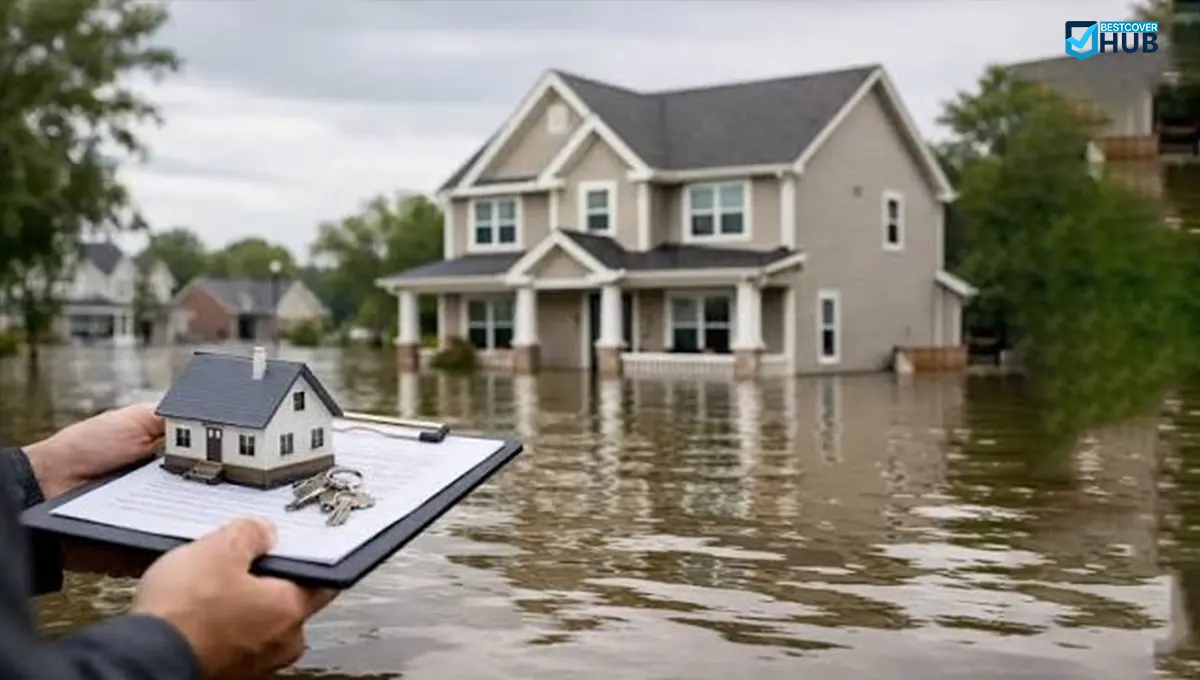
Flooding can happen fast, especially during hurricanes, heavy rain and coastal storms. But having homeowners insurance does not always mean your home is protected from flood damage.
So, does homeowners insurance cover flood damage? In most cases, standard homeowners insurance does not cover flooding caused by rising water, storm surge or overflowing rivers. Instead, you may need a separate flood insurance policy.
Understanding the difference between flood vs. water damage insurance can help you avoid costly surprises. Let’s look at what your homeowners policy covers, what it excludes and when flood insurance may be worth considering.
Here's how to tell the difference between covered water damage and excluded flood damage and what coverage can help fill the gap.
Quick Overview
Homeowners insurance can cover certain types of water damage, but flood damage is generally excluded. Flooding from storm surge, heavy rain, overflowing rivers or rising water usually requires separate flood insurance. Learn the key difference between flood and water damage and what your policy may actually cover. We also explain flood insurance requirements, waiting periods and NFIP vs. private flood insurance. Find out how to protect your home before the next major storm hits.
Does Homeowners Insurance Cover Flood Damage?
Generally, standard homeowners insurance does not cover flood damage. A typical homeowners policy, such as an HO-3, can provide protection against many covered causes of loss involving your home and belongings. However, flood is generally excluded from standard homeowners insurance policies.
That means damage caused by rising or accumulating water from sources such as:
1. Storm surge
2. Overflowing rivers or streams
3. Heavy rainfall that inundates your property
4. Coastal flooding
5. Rapid surface-water accumulation
6. Mudflow in situations that meet the insurance definition of flood may require a separate flood insurance policy.
This distinction becomes especially important for homeowners along the Gulf and Atlantic coasts, where hurricanes can bring wind, rain and storm surge in the same event. Your homeowners policy may cover certain wind or rain-related losses while excluding flood-related damage from rising water. One storm can create multiple types of damage and your insurance coverage may treat each one differently.
Flood vs. Water Damage Insurance: What's the Difference?
The easiest way to understand coverage is to focus on where the water came from.
Water damage that may be covered
Depending on your policy and the circumstances, homeowners insurance may cover certain sudden and accidental water damage caused by:
1. A burst or frozen pipe
2. An accidentally overflowing appliance
3. A plumbing failure
4. Rain entering through a covered roof loss
5. Certain water damage caused by a covered event
For example, suppose a pipe suddenly bursts behind your kitchen wall. Water damages the cabinets and flooring. Your homeowners policy may cover the resulting damage, subject to your policy's terms, deductible and exclusions.
Flood damage that is generally excluded
Now imagine several inches of stormwater enter your home after a hurricane. That is a very different situation. If water from outside rises and inundates your property, it may qualify as flood under the policy definition. Standard homeowners insurance generally excludes that type of loss. That's why understanding the flood vs water damage insurance distinction is so important.
A simple rule of thumb
Water coming from inside your home may be covered.
Water rising from outside your home may require flood insurance.
That isn't a universal rule for every claim, so always review your actual policy language and speak with your insurer before assuming something is covered.
What Exactly Counts as a Flood?
Flood insurance policies use a specific definition of flood. Under the National Flood Insurance Program (NFIP), flood generally involves water covering at least two acres of normally dry land or affecting at least two properties, one of which must be the policyholder's property.
Flooding can result from:
1. Overflow of inland or tidal waters
2. Unusual and rapid accumulation or runoff of surface waters
3. Mudflow
4. Certain coastal flooding events
This means a dramatic storm isn't automatically classified as a flood simply because it involves a lot of rain. The source and movement of the water matter when determining coverage.
What Does Homeowners Insurance Usually Exclude?
Flood isn't the only water-related exclusion homeowners should know about. Depending on your policy, exclusions can also apply to certain losses involving:
Sewer or drain backups
Water backing up through a sewer or drain may not be covered under a standard policy unless you have an applicable endorsement.
Groundwater
Water that seeps through the foundation or basement can raise complicated coverage questions and may be excluded depending on the cause.
Flooding and storm surge
Rising water from a flood or storm surge is generally excluded from standard homeowners insurance.
Maintenance-related damage
Long-term leaks, poor maintenance, gradual deterioration and similar problems may not qualify as covered sudden losses.
Does Homeowners Insurance Cover Hurricane Flooding?
This is especially important for coastal homeowners. A hurricane can cause several different types of damage at the same property.
For example:
Wind damages your roof: Your homeowners insurance may cover the loss, subject to your policy and deductible.
Rain enters through the damaged roof: Coverage may apply depending on the circumstances.
Storm surge pushes seawater into your home: This is generally considered flood damage and is typically excluded from homeowners insurance.
A river overflows after the storm: Resulting flood damage generally requires flood insurance.
So, if you live near the Gulf or Atlantic, don't assume that having comprehensive homeowners insurance means you're fully protected against every hurricane-related loss.
Is Flood Insurance Required?
You may be wondering, “Is flood insurance required?”
Sometimes. Federal law generally requires flood insurance for certain properties in high-risk flood areas when the property secures a federally regulated mortgage and the applicable mandatory-purchase requirements are met.
Your lender may require flood insurance if your home is located in a designated Special Flood Hazard Area. But there is an important distinction:
Not being legally required to carry flood insurance doesn't mean you don't need it.
Flooding can happen outside high-risk flood zones. FEMA notes that flood risk exists in many areas and flood maps can change as development, weather patterns and risk assessments evolve. A homeowner may therefore choose flood insurance even when their mortgage lender doesn't require it.
How Much Does Flood Insurance Cover?
Flood insurance is designed specifically to address flood losses that standard homeowners insurance generally excludes. Depending on the policy, flood coverage can protect the building and, when purchased, certain personal property against covered flood damage.
Building coverage can include eligible parts of the structure such as:
1. Foundation
2. Electrical and plumbing systems
3. HVAC equipment
4. Furnaces and water heaters
5. Permanently installed fixtures
6. Certain built-in appliances
Personal property coverage can apply to eligible belongings such as:
1. Clothing
2. Furniture
3. Certain appliances
4. Electronics
5. Other covered personal possessions
Coverage limits, exclusions, deductibles and settlement rules vary, so homeowners should review the policy carefully.
What Is the Flood Insurance 30-Day Waiting Period?
One reason homeowners shouldn't wait for a hurricane forecast to buy flood insurance is the flood insurance 30-day waiting period. Many new NFIP flood insurance policies have a 30-day waiting period before coverage takes effect.
That means buying a policy after a storm is approaching may not provide immediate protection.There are exceptions to the standard waiting period in certain circumstances. For example, FEMA's NFIP rules include specific exceptions related to mortgage transactions and certain policy changes. Your insurance agent can explain whether an exception applies to your situation.
NFIP vs. Private Flood Insurance
Homeowners generally have two broad avenues to explore: NFIP coverage and private flood insurance.
NFIP flood insurance
The National Flood Insurance Program is administered by FEMA and provides federally backed flood insurance through participating insurers and the NFIP Direct program.
Potential advantages include:
1. Broad availability in participating communities
2. Standardized federal program rules
3. Coverage specifically designed for flood losses
4. Availability even when flood risk is significant, subject to program rules
Private flood insurance
Private insurers may offer flood policies outside the NFIP. Depending on the insurer and property, private coverage may offer:
1. Different coverage limits
2. Different deductibles
3. Additional coverage options
4. Different pricing structures
5. Potentially broader coverage in certain areas
But availability and eligibility can vary significantly. When considering NFIP vs private flood insurance, don't focus only on the premium. Compare coverage limits, exclusions, deductibles, waiting periods, replacement-cost provisions and lender requirements.
How Much Does Flood Insurance Cost?
There isn't one price that applies to every home. Flood insurance premiums can depend on factors such as:
1. Property location
2. Flood risk
3. Building characteristics
4. Elevation
5. Coverage limits
6. Deductible
7. Construction type
8. Distance from water
9. Policy type
A coastal home may have very different flood insurance costs from a similar-looking property several miles inland. The best way to understand your potential cost is to request a quote based on the actual property rather than relying on a general average.
What Coastal Homeowners Should Check Before Hurricane Season
If you live along the Gulf or Atlantic coast, review your insurance before storm season—not when a hurricane is already approaching.
Check your homeowners policy
Know your:
1. Dwelling coverage limit
2. Personal property limit
3. Deductible
4. Wind or named-storm deductible
5. Water-related exclusions
6. Additional endorsements
Check your flood coverage
If you have flood insurance, confirm:
1. Policy expiration date
2. Building coverage
3. Contents coverage
4. Deductible
5. Waiting period
6. Exclusions and limitations
Know where your coverage overlaps and where it doesn't
Your homeowners and flood policies work together, but they don't provide identical protection. Understanding that difference before a storm hits can prevent an unpleasant insurance surprise after the water recedes.
The Bottom Line
So, does homeowners insurance cover flood damage? In most cases, no. Standard homeowners insurance generally covers certain sudden and accidental water damage but excludes flooding caused by rising or accumulating water. That's why flood insurance can be an important additional layer of protection especially for homeowners near the Gulf Coast, Atlantic Coast, rivers, lakes and other flood-prone areas.
Don't judge your flood risk solely by whether your lender requires coverage. Review your property's location, understand your policy exclusions and consider how much a major flood could cost you out of pocket.
And if you're thinking about buying flood insurance, start early. The 30-day waiting period that commonly applies to NFIP policies can make last-minute protection impossible in many situations.
FAQs
1. Does homeowners insurance cover flood damage?
Generally, no. Standard homeowners insurance typically excludes damage caused by flooding. A separate flood insurance policy may be needed for covered flood losses.
2. Does homeowners insurance cover water damage?
It can, depending on the cause. Sudden and accidental water damage from certain plumbing or appliance failures may be covered, while flooding, gradual leaks and other excluded causes may not be.
3. Is flood insurance required?
Flood insurance may be required by a mortgage lender when a property is located in a designated high-risk flood area and applicable federal mandatory-purchase requirements apply. Even when it isn't required, homeowners may choose coverage based on their flood risk.
4. What is the difference between flood and water damage insurance?
The key difference is the source of the water. Certain sudden water damage originating inside the home may be covered by homeowners insurance, while floodwater that rises or accumulates from outside is generally excluded and may require flood insurance.
5. Can I buy flood insurance during hurricane season?
You may be able to purchase flood insurance during hurricane season, but coverage may not begin immediately. NFIP policies commonly have a 30-day waiting period, subject to applicable exceptions.
6. Does flood insurance cover storm surge?
Flood insurance can generally provide coverage for qualifying flood damage caused by storm surge, subject to the policy's terms, limits and exclusions. Standard homeowners insurance generally excludes flood damage.